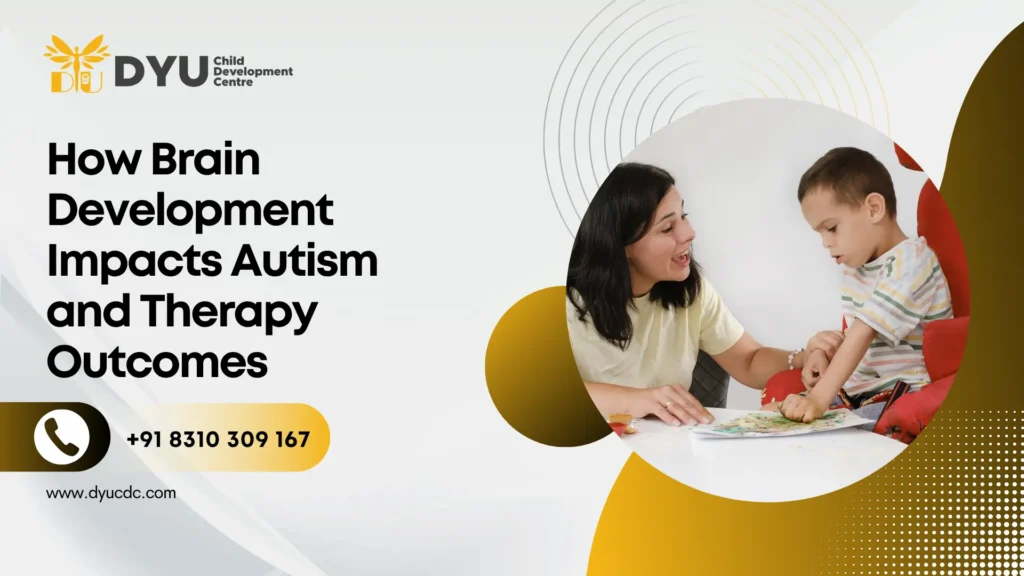
Understanding how a child’s brain develops plays a crucial role in managing autism and improving therapy outcomes. For parents seeking the Best Autism Center in HSR Layout, knowing the connection between brain development and autism can help make informed decisions about early intervention and care.
Understanding Brain Development in Autism
Autism Spectrum Disorder (ASD) is linked to differences in how the brain grows and organizes itself. These differences can affect communication, behavior, sensory processing, and social interaction.
In children with autism:
- Certain areas of the brain may develop faster or slower than usual
- Neural connections may be either overactive or under-connected
- Sensory processing pathways can function differently
These variations are why every child with autism is unique and requires personalized therapy.
Why Early Brain Development Matters
The early years (0–5 years) are critical for brain growth. During this time, the brain is highly adaptable—a concept known as neuroplasticity.
Early intervention can:
- Strengthen neural connections
- Improve learning and adaptability
- Reduce the severity of symptoms over time
- Enhance communication and social skills
This is why identifying autism early and starting therapy promptly is so important.
How Brain Development Affects Therapy Outcomes
1. Neuroplasticity Enhances Learning
Younger brains are more flexible, making it easier for therapies to reshape behaviors and skills.
2. Consistency Builds Stronger Neural Pathways
Repetitive and structured therapy helps reinforce positive behaviors and learning patterns.
3. Individual Brain Differences Require Customized Therapy
Each child’s brain develops differently, so therapy plans must be tailored to their strengths and challenges.
4. Sensory Processing Influences Progress
Children with sensory sensitivities may respond differently to therapy environments and techniques.
5. Cognitive Development Impacts Communication
Language and social skills improve as brain regions responsible for communication are stimulated through therapy.
Types of Therapies That Support Brain Development
- Behavioral Therapy (ABA) – Improves learning and behavior patterns
- Speech Therapy – Enhances communication skills
- Occupational Therapy – Supports daily functioning and sensory integration
- Neuro Developmental Therapy (NDT) – Improves motor skills and coordination
Role of the Right Autism Center
Choosing the Best Autism Center in HSR Layout ensures:
- Early and accurate assessment
- Personalized therapy plans
- Multidisciplinary support (therapists, psychologists, pediatricians)
- Continuous monitoring and progress tracking
Frequently Asked Questions (FAQs)
1. Can brain development in autism be improved?
While autism is lifelong, early and consistent therapy can significantly improve brain function, skills, and independence.
2. At what age should autism therapy begin?
Therapy can start as early as 18 months or as soon as signs are noticed.
3. Do all children with autism respond the same to therapy?
No, outcomes vary depending on the child’s brain development, severity, and type of intervention.
4. How long does it take to see improvement?
Progress varies, but with consistent therapy, noticeable improvements can be seen within a few months.
5. Is early intervention really that important?
Yes, early intervention takes advantage of brain plasticity, leading to better long-term outcomes.
Final Thoughts
Brain development plays a powerful role in shaping how children with autism learn, grow, and respond to therapy. The earlier the intervention, the better the outcomes. If you’re exploring options, choosing the Best Autism Center in HSR Layout can provide your child with the right support, expert care, and a brighter developmental future.