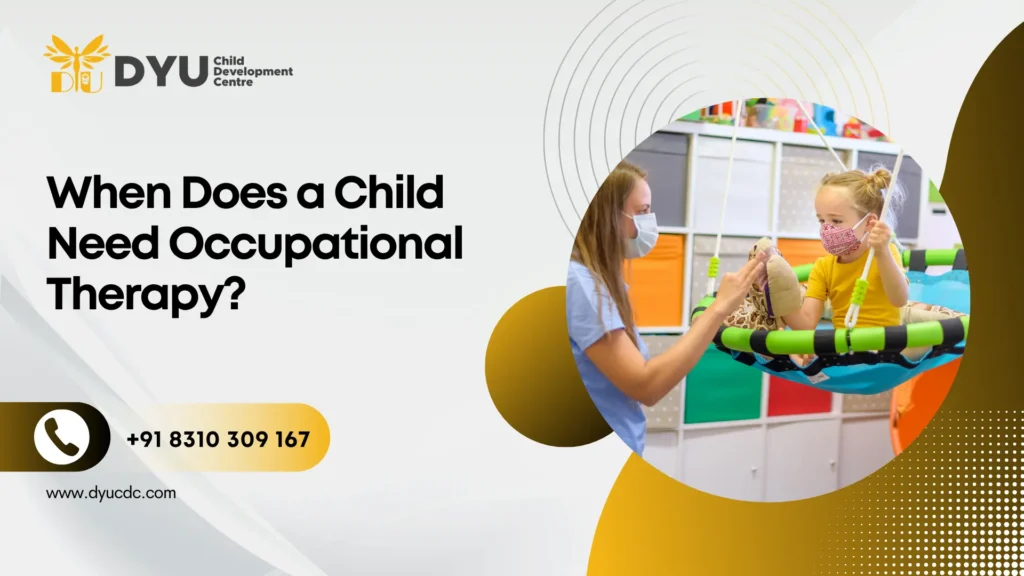
Every child grows and develops at their own pace, but sometimes delays or difficulties in daily activities may indicate the need for extra support. Occupational therapy helps children develop the skills required for everyday tasks like writing, playing, eating, and self-care. If you notice challenges in your child’s development, seeking Occupational Therapy for Children in HSR Layout can provide the right guidance and early intervention.
What is Occupational Therapy?
Occupational therapy (OT) focuses on improving a child’s ability to perform daily activities independently. It supports physical, sensory, and cognitive development through structured and engaging activities.
Signs Your Child May Need Occupational Therapy
1. Delayed Motor Skills
- Difficulty holding a pencil or crayon
- Trouble with buttons, zippers, or tying shoelaces
- Poor hand-eye coordination
2. Sensory Processing Issues
- Overreacts to sounds, textures, or lights
- Avoids certain clothes or foods
- Seeks excessive movement or touch
3. Difficulty with Daily Activities
- Trouble eating independently
- Difficulty brushing teeth or dressing
- Struggles with basic self-care tasks
4. Poor Social or Play Skills
- Difficulty interacting with other children
- Limited interest in play activities
- Trouble following simple instructions
5. Attention and Focus Problems
- Easily distracted
- Difficulty completing tasks
- Trouble sitting still for age-appropriate activities
6. Developmental Delays
- Delayed milestones compared to peers
- Difficulty learning new skills
How Occupational Therapy Helps
- Improves fine and gross motor skills
- Enhances sensory processing
- Builds independence in daily routines
- Boosts confidence and social skills
When Should You Consult a Specialist?
- If your child struggles with everyday tasks
- If teachers report learning or coordination issues
- If developmental delays are noticeable
Early intervention can make a significant difference in a child’s growth and independence.
Frequently Asked Questions (FAQs)
1. What age is suitable for occupational therapy?
Occupational therapy can begin as early as infancy if developmental concerns are present.
2. How long does therapy take?
It varies depending on the child’s needs and progress.
3. Is occupational therapy only for special needs children?
No, it helps any child facing developmental or functional challenges.
4. Will my child need long-term therapy?
Not always. Some children benefit from short-term intervention.
5. How can parents support therapy at home?
By following therapist guidance and encouraging practice of learned skills daily.
Conclusion
Recognizing early signs that your child may need occupational therapy can lead to timely support and better developmental outcomes. With the right intervention, children can gain confidence and independence in their daily lives. For expert care and personalized support, consider Occupational Therapy for Children in HSR Layout to help your child reach their full potential.