Sensory Integration Therapy in HSR Layout plays a crucial role in helping children who experience the world differently due to sensory processing challenges. Every child interacts with their environment through their senses, but for some, these sensations can feel overwhelming, confusing, or even distressing.
What Is Sensory Processing?
Sensory processing refers to how the brain receives, organizes, and responds to information from the senses. These include:
- Touch
- Sound
- Sight
- Taste
- Smell
- Movement (vestibular sense)
- Body awareness (proprioception)
When sensory processing works smoothly, children respond appropriately to their surroundings. However, difficulties in processing can lead to unusual or extreme reactions.
Why Do Some Children React Differently?
Children with sensory processing differences may have nervous systems that interpret sensory input in unique ways. This can result in:
1. Over-Responsiveness (Hypersensitivity)
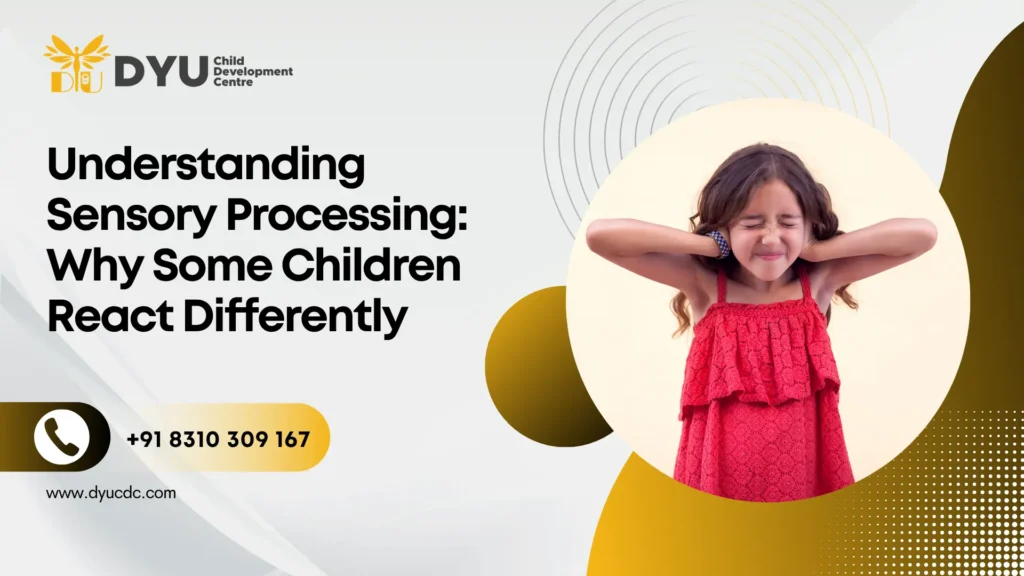
Children may feel overwhelmed by sounds, textures, or lights.
Example: Covering ears at normal noise levels or avoiding certain fabrics.
2. Under-Responsiveness (Hyposensitivity)
Children may seek more intense sensory input.
Example: Constant movement, touching everything, or not noticing pain easily.
3. Sensory Seeking Behavior
Actively craving sensory experiences like spinning, jumping, or deep pressure.
Common Signs of Sensory Processing Issues
- Avoidance of loud environments or crowds
- Difficulty with certain clothing textures
- Trouble focusing in noisy settings
- Frequent meltdowns or irritability
- Clumsiness or poor coordination
- Strong reactions to smells or tastes
How It Affects Daily Life
Sensory challenges can impact:
- Learning and academic performance
- Social interactions
- Emotional regulation
- Daily routines like eating, dressing, and sleeping
Without proper support, children may struggle with confidence and behavior.
How Sensory Integration Therapy Helps
Sensory integration therapy is designed to help children process sensory information more effectively. It involves structured activities that gradually help the brain respond in a more balanced way.
Key Benefits:
- Improved focus and attention
- Better emotional regulation
- Enhanced motor skills
- Increased independence in daily activities
- Reduced anxiety and behavioral issues
Therapy sessions are usually play-based and tailored to each child’s needs, making them both effective and engaging.
Tips for Parents
- Observe your child’s triggers and reactions
- Create a sensory-friendly environment at home
- Maintain consistent routines
- Encourage physical activities like jumping or swinging
- Consult a specialist if concerns persist
Frequently Asked Questions (FAQs)
1. Is sensory processing disorder a medical diagnosis?
It is not officially classified as a standalone diagnosis but is widely recognized by therapists and specialists.
2. At what age can sensory issues be identified?
Signs can appear as early as infancy, but they are often more noticeable in toddlers and preschoolers.
3. Can children outgrow sensory processing issues?
Some children improve over time, especially with early intervention and therapy.
4. How long does sensory integration therapy take?
The duration varies depending on the child’s needs, but consistent therapy over months can show significant improvement.
5. When should I seek professional help?
If your child’s reactions interfere with daily life, learning, or social interactions, it’s best to consult a specialist.
Understanding your child’s sensory needs is the first step toward supporting their growth and well-being. With the right approach and guidance, children can learn to navigate their environment more comfortably. If you’re looking for expert support, Sensory Integration Therapy in HSR Layout can provide personalized care to help your child thrive.