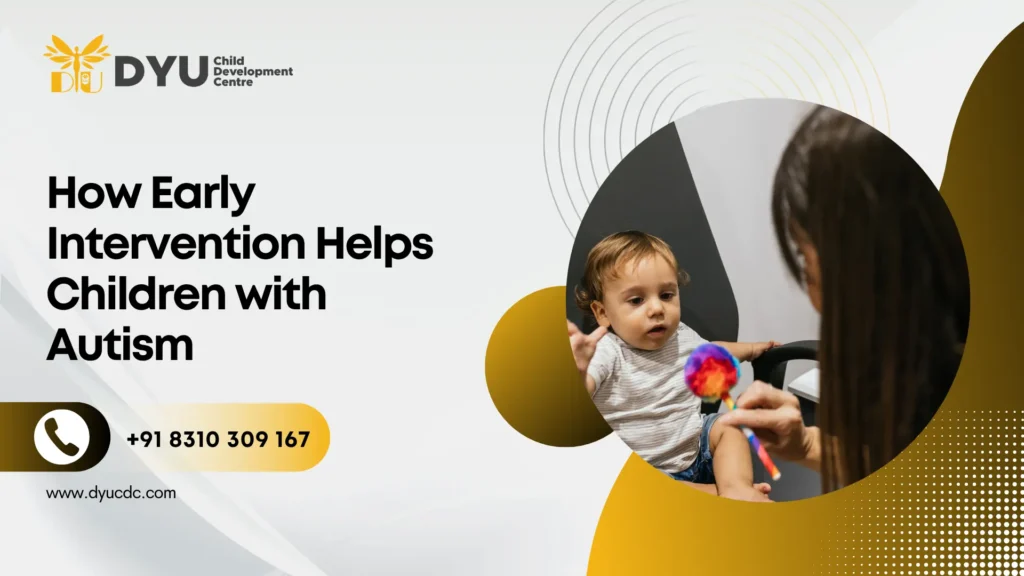
Early intervention plays a crucial role in improving the developmental outcomes of children with autism. Identifying signs early and starting therapy at the right time can help children build communication, social, behavioral, and learning skills more effectively. Parents searching for an Autism Center in HSR layout often look for specialized support systems that focus on early diagnosis and individualized therapies. At DYU Child Development Centre, early intervention programs are designed to support children during their most important developmental years and help them reach their full potential.
What Is Early Intervention in Autism?
Early intervention refers to therapeutic and developmental support provided to children at a young age, usually before the age of 5. Since a child’s brain develops rapidly during early childhood, therapies introduced during this stage can significantly improve long-term developmental progress.
Early intervention may include:
- Speech therapy
- Occupational therapy
- Behavioral therapy
- Sensory integration therapy
- Social skills training
- Parent guidance programs
An experienced Autism Center in HSR layout can help identify developmental concerns early and create personalized therapy plans for each child.
Why Early Intervention Matters
Children with autism may face challenges in communication, behavior, social interaction, and sensory processing. Early support helps reduce developmental delays and encourages skill-building during critical learning stages.
Improves Communication Skills
Many children with autism struggle with speech and language development. Early speech therapy helps children express their needs, improve understanding, and build confidence in communication.
Enhances Social Interaction
Children learn important social behaviors such as eye contact, sharing, playing, and responding to emotions through structured therapy and guided interaction.
Supports Behavioral Development
Behavioral therapies help children manage repetitive behaviors, emotional outbursts, and attention difficulties in a positive and supportive manner.
Encourages Independence
Early intervention teaches daily living skills such as eating, dressing, following routines, and adapting to new environments.
Parents looking for an Autism Center in HSR layout often prefer centers that offer multidisciplinary therapies under one roof for comprehensive developmental support.
Signs That May Indicate the Need for Early Intervention
Parents should consult developmental specialists if they notice:
- Delayed speech or no speech
- Lack of eye contact
- Limited social interaction
- Repetitive behaviors
- Difficulty responding to names
- Sensory sensitivities
- Delayed motor milestones
- Limited interest in play activities
Recognizing these signs early allows families to begin therapy sooner and improve developmental outcomes.
Role of Parents in Early Intervention
Parents are an important part of the therapy journey. Consistent support at home helps reinforce the skills learned during therapy sessions.
Helpful ways parents can support their child include:
- Maintaining structured daily routines
- Encouraging communication during play
- Practicing therapy activities at home
- Using positive reinforcement
- Spending quality interactive time with the child
At DYU Child Development Centre, therapists work closely with families to ensure children receive consistent support both at the center and at home.
Benefits of Early Intervention for Children with Autism
Children who receive timely intervention often show improvements in:
- Language and communication
- Social skills
- Attention and focus
- Emotional regulation
- Learning abilities
- Sensory processing
- Daily functioning
An experienced Autism Center in HSR layout can help children develop confidence and independence while supporting families throughout the developmental journey.
Choosing the Right Autism Center
When selecting an autism center, parents should consider:
- Qualified developmental specialists
- Individualized therapy plans
- Early screening and assessment
- Multidisciplinary therapy services
- Parent counseling and guidance
- Child-friendly therapy environment
Choosing the right Autism Center in HSR layout can make a significant difference in a child’s progress and long-term development.
FAQs
What is early intervention for autism?
Early intervention includes therapies and developmental support provided during early childhood to help children with autism improve communication, social, behavioral, and learning skills.
At what age should autism intervention begin?
Intervention can begin as early as developmental concerns are noticed, often between 18 months and 3 years of age. Earlier therapy generally leads to better developmental outcomes.
Can early intervention improve speech in children with autism?
Yes. Speech therapy introduced early can help children improve communication skills, language understanding, and social interaction abilities.
Why is early intervention important for autism?
Early intervention helps the developing brain learn skills more effectively during critical growth years. It can improve communication, behavior, social skills, and independence.
How do I choose the best Autism Center in HSR layout?
Parents should look for experienced therapists, individualized treatment plans, comprehensive therapies, and strong parent involvement programs when selecting an autism center.
What therapies are included in autism early intervention programs?
Programs may include speech therapy, occupational therapy, behavioral therapy, sensory integration therapy, and social skills development.
Conclusion
Early intervention can create a strong foundation for children with autism by helping them develop essential communication, behavioral, social, and learning skills during their early developmental years. With timely support, personalized therapies, and active family involvement, children can make meaningful progress and gain greater independence and confidence. If you are searching for an Autism Center in HSR layout, choosing a center that focuses on compassionate care, early assessment, and multidisciplinary developmental support can positively impact your child’s future growth and well-being.