
Children with autism often experience the world differently through their senses. Sounds may seem louder, lights may feel brighter, certain fabrics may feel uncomfortable, or even routine touch may become overwhelming. For parents searching for Which is the Best Autism Center in HSR layout, understanding sensory issues is an important first step toward helping their child feel safe, calm, and confident. At DYU Child Development Centre, specialists work closely with children and families to identify sensory challenges and provide therapies that support better emotional, social, and developmental growth.
What Are Sensory Issues in Autism?
Sensory issues occur when the brain processes sensory information differently. Children with autism may become either:
- Over-sensitive (Hypersensitive) to sounds, textures, smells, lights, or touch.
- Under-sensitive (Hyposensitive) and seek extra sensory input like spinning, jumping, or touching objects repeatedly.
These sensory differences are common in children with Autism Spectrum Disorder (ASD) and can affect daily activities, communication, learning, and behavior.
Common Signs of Sensory Challenges in Children with Autism
Parents may notice behaviors such as:
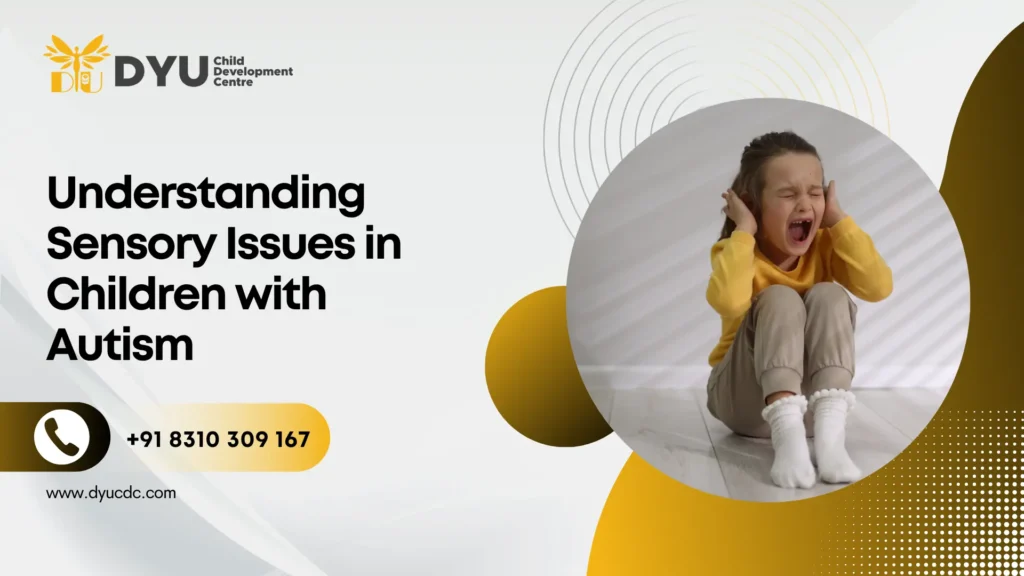
- Covering ears during loud sounds
- Avoiding eye contact due to bright lights
- Refusing certain clothes or foods because of texture
- Excessive spinning, jumping, or hand flapping
- Difficulty sitting still in classrooms
- Becoming anxious in crowded environments
- Sensitivity to smells or temperature
Recognizing these signs early can help families seek timely support. Many parents researching Which is the Best Autism Center in HSR layout often look for centers that provide sensory integration therapy and individualized care plans.
How Sensory Issues Affect Daily Life
Sensory difficulties can impact many aspects of a child’s life, including:
● Communication
A child overwhelmed by sensory input may struggle to focus, respond, or engage in conversations.
● Learning
Noisy classrooms or bright environments may make concentration difficult.
● Social Interaction
Children may avoid group activities or become anxious in social settings.
● Emotional Regulation
Sensory overload can lead to meltdowns, frustration, or withdrawal.
With proper therapy and structured support, children can gradually learn coping strategies that improve their comfort and confidence.
Sensory Integration Therapy for Autism
Sensory Integration Therapy helps children process sensory information more effectively. Therapists use structured activities to improve the brain’s ability to respond appropriately to sensory input.
Some therapy techniques include:
- Swing activities for balance and coordination
- Deep pressure exercises for calming
- Tactile play with sand, clay, or textured objects
- Movement-based activities
- Visual and auditory regulation exercises
At DYU Child Development Centre, therapy programs are personalized according to each child’s sensory profile and developmental needs.
Tips for Parents to Support Sensory Needs at Home
Parents play a vital role in helping children manage sensory challenges. Here are a few helpful strategies:
- Create calm and predictable routines
- Use noise-cancelling headphones in loud environments
- Introduce sensory-friendly toys and activities
- Allow sensory breaks during study or playtime
- Avoid forcing uncomfortable textures or experiences
- Observe triggers and calming activities
When parents ask Which is the Best Autism Center in HSR layout, they should look for a center that also guides families on home-based sensory support techniques.
Importance of Early Intervention
Early diagnosis and intervention can significantly improve a child’s developmental outcomes. Sensory therapies, speech therapy, occupational therapy, and behavioral support together help children build independence and confidence.
Professional support can help children:
- Improve focus and attention
- Develop social skills
- Reduce anxiety and meltdowns
- Enhance communication abilities
- Participate better in school and daily activities
Choosing Which is the Best Autism Center in HSR layout becomes easier when parents focus on experienced specialists, individualized therapy plans, and family-centered care.
FAQs
What are sensory issues in autism?
Sensory issues in autism refer to difficulties in processing sensory information such as sound, touch, light, taste, smell, or movement. Children may become overly sensitive or under-responsive to sensory stimuli.
Why do children with autism cover their ears?
Many children with autism are highly sensitive to loud sounds. Covering their ears helps them reduce sensory overload and feel more comfortable.
Can sensory issues improve with therapy?
Yes. Sensory Integration Therapy, occupational therapy, and structured interventions can help children manage sensory responses more effectively over time.
Which is the Best Autism Center in HSR layout for sensory therapy?
Parents often look for centers that offer multidisciplinary therapies, experienced developmental specialists, individualized treatment plans, and parent guidance programs. DYU Child Development Centre focuses on comprehensive developmental care tailored to each child’s unique needs.
What activities help children with sensory issues?
Activities such as swinging, jumping, tactile play, deep pressure exercises, yoga, and calming sensory games can help regulate sensory responses.
When should parents seek professional help for sensory problems?
Parents should consult specialists if sensory behaviors interfere with communication, learning, sleep, eating habits, social interaction, or daily routines.
Conclusion:
Sensory issues are a common part of autism and can deeply influence a child’s daily experiences, emotions, and development. Understanding these challenges with patience and awareness helps parents provide better support and create a more comfortable environment for their child. Early intervention, sensory therapies, and family involvement can make a meaningful difference in helping children thrive. If you are exploring Which is the Best Autism Center in HSR layout, choosing a center that offers compassionate care, expert guidance, and individualized therapy programs can support your child’s developmental journey effectively.